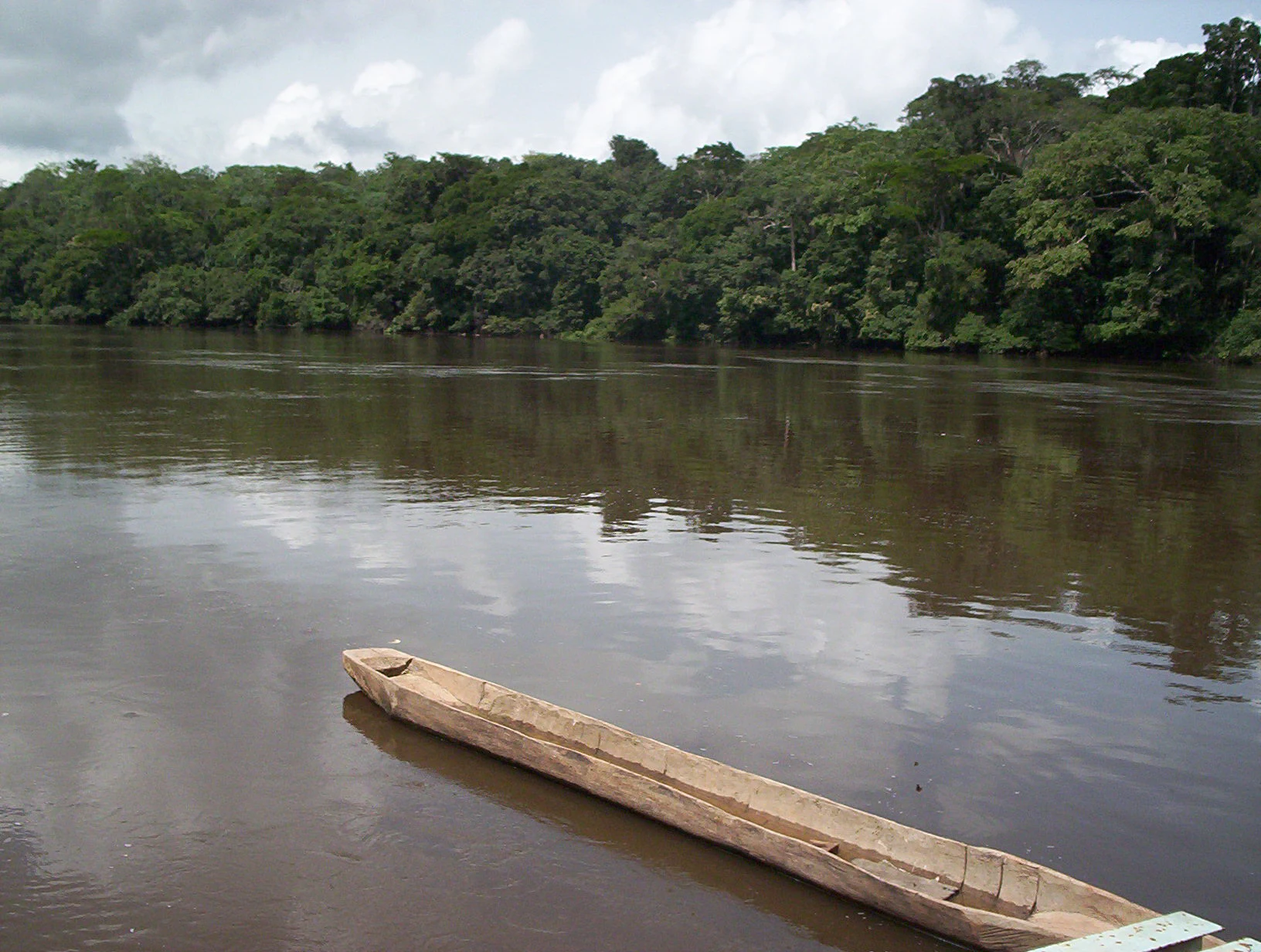
Lomié
Lomié is one of the offices used to arrange entry to Dja Faunal Reserve. It may serve as an overnight stop before entering the forest, as part of an authorised, guided expedition lasting several days.
Explore the place →Places in context: profiles connected to our guides, maps, sources and verified photographs.
Lomié is one of the offices used to arrange entry to Dja Faunal Reserve. It may serve as an overnight stop before entering the forest, as part of an authorised, guided expedition lasting several days.
Explore the place →
Lopé National Park presents a mosaic of equatorial forest and relic savannas, with petroglyphs, settlement traces and field activities. Rail access through Booué may simplify arrival, but the visit requires confirmed transfers, operating excursions and current access conditions.
Explore the place →
Lopé-Okanda brings together equatorial forest, relic savannas, the Ogooué Valley and archaeological traces spanning millennia. Visiting means combining landscape, forest and rock art across a large area, with transport, accommodation, activities and site access arranged in advance.
Explore the place →
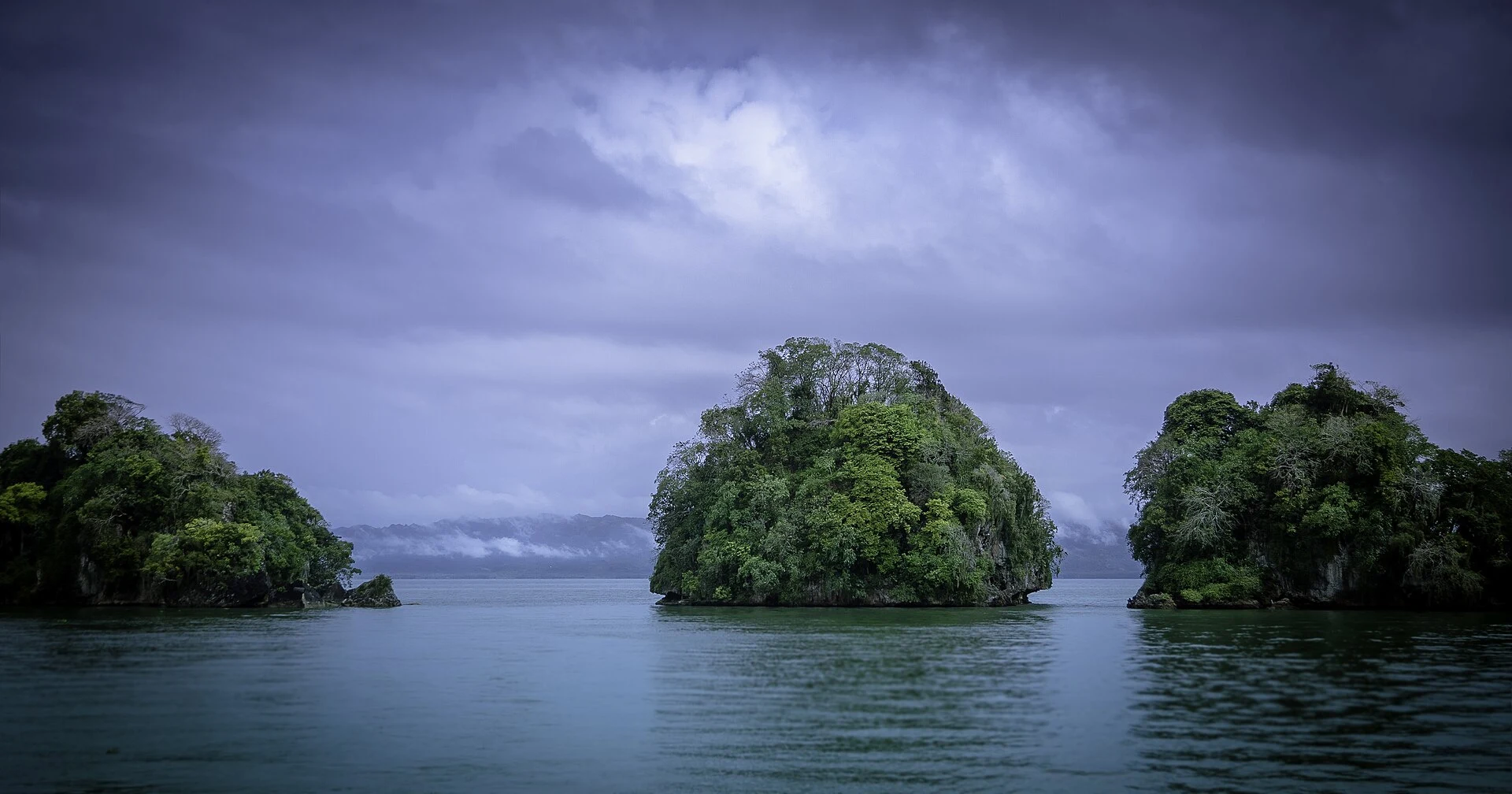
Los Haitises National Park is a water landscape of mogotes, mangroves, caves and boat routes. Sabana de la Mar is the practical base when the park is the main purpose of the visit; access and stops may change.
Explore the place →Lovamahapaya, known as the Bronze Palace, belongs to Anuradhapura’s sacred core alongside Sri Maha Bodhi and Ruwanweliseya. It helps explain the relationship between devotion, monastic community and monumentality within an extensive historic city.
Explore the place →Lower Bay can be added to Bequia’s coastal itinerary. Whether it fits the day depends on the terrain, heat and your pace, so treat it as an optional extension rather than a fixed part of the route.
Explore the place →
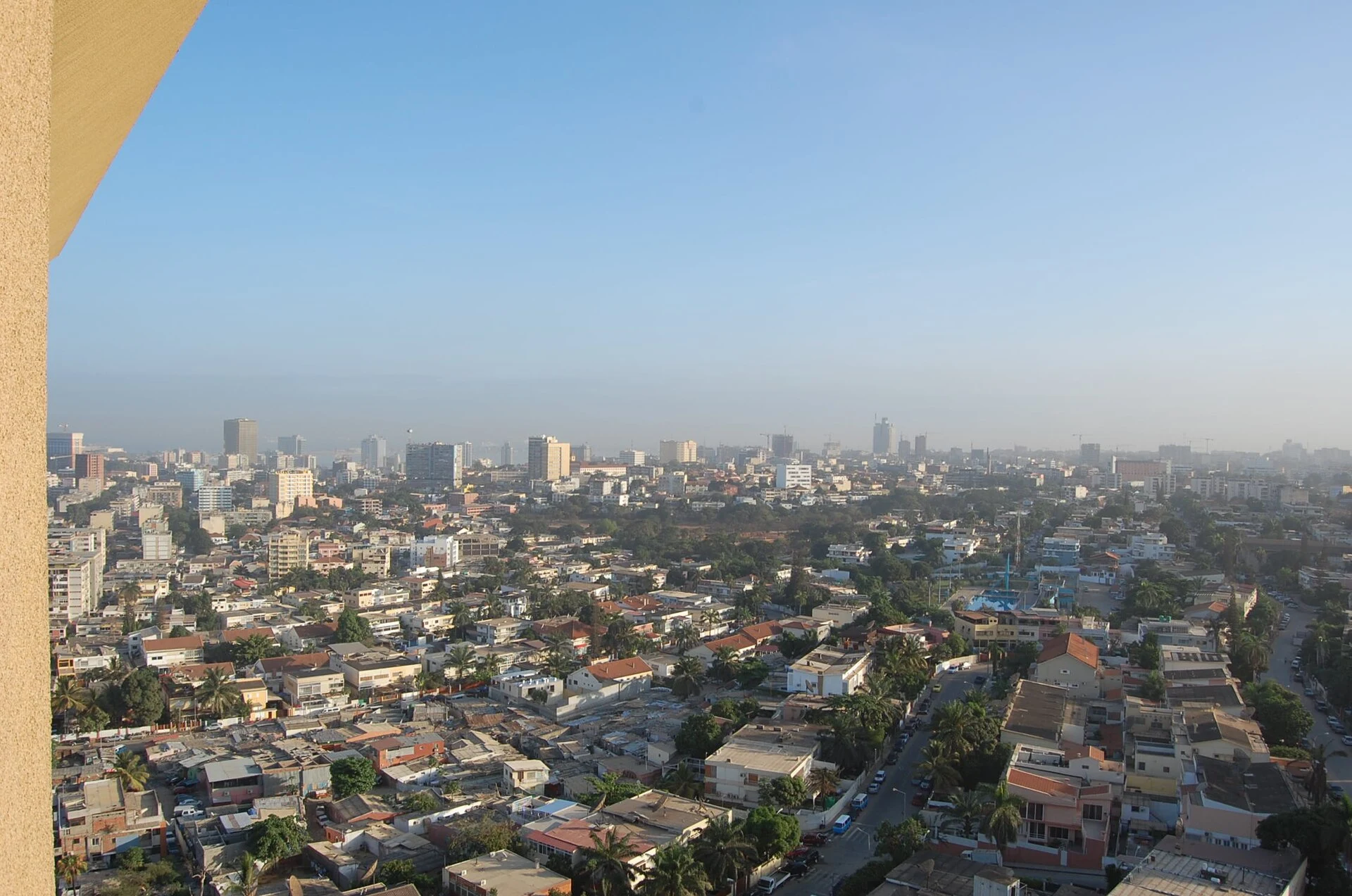
Luanda is Angola’s capital and an administrative reference for organising travel research. Portuguese and the kwanza help interpret documents and payments, while practical conditions require up-to-date checks.
Explore the place →
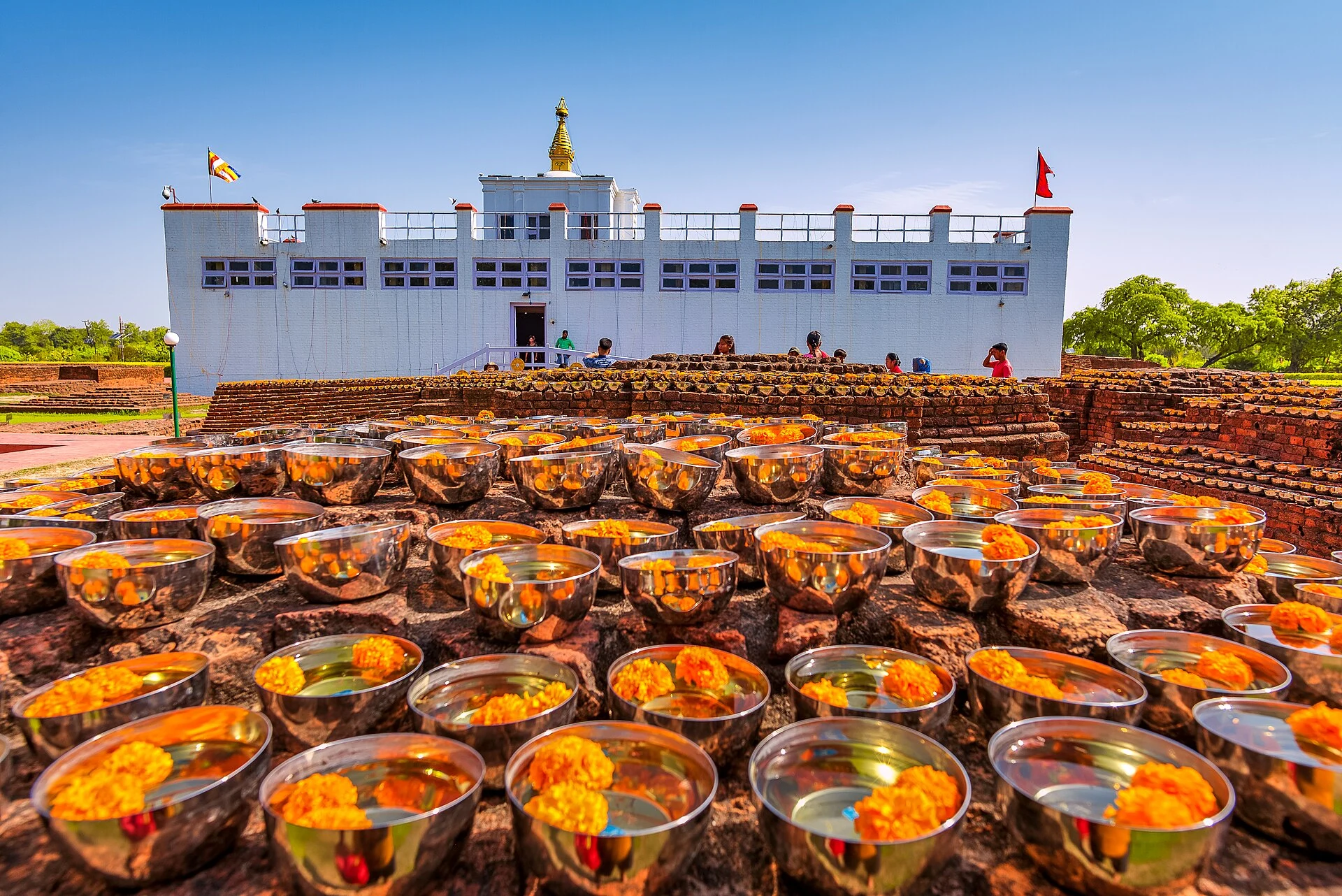
Lumbini brings together a sacred garden, Buddhist monasteries and a cultural centre across a large Terai complex. A visit combines archaeology, pilgrimage and contemporary architecture, so allow time to explore without rushing.
Explore the place →
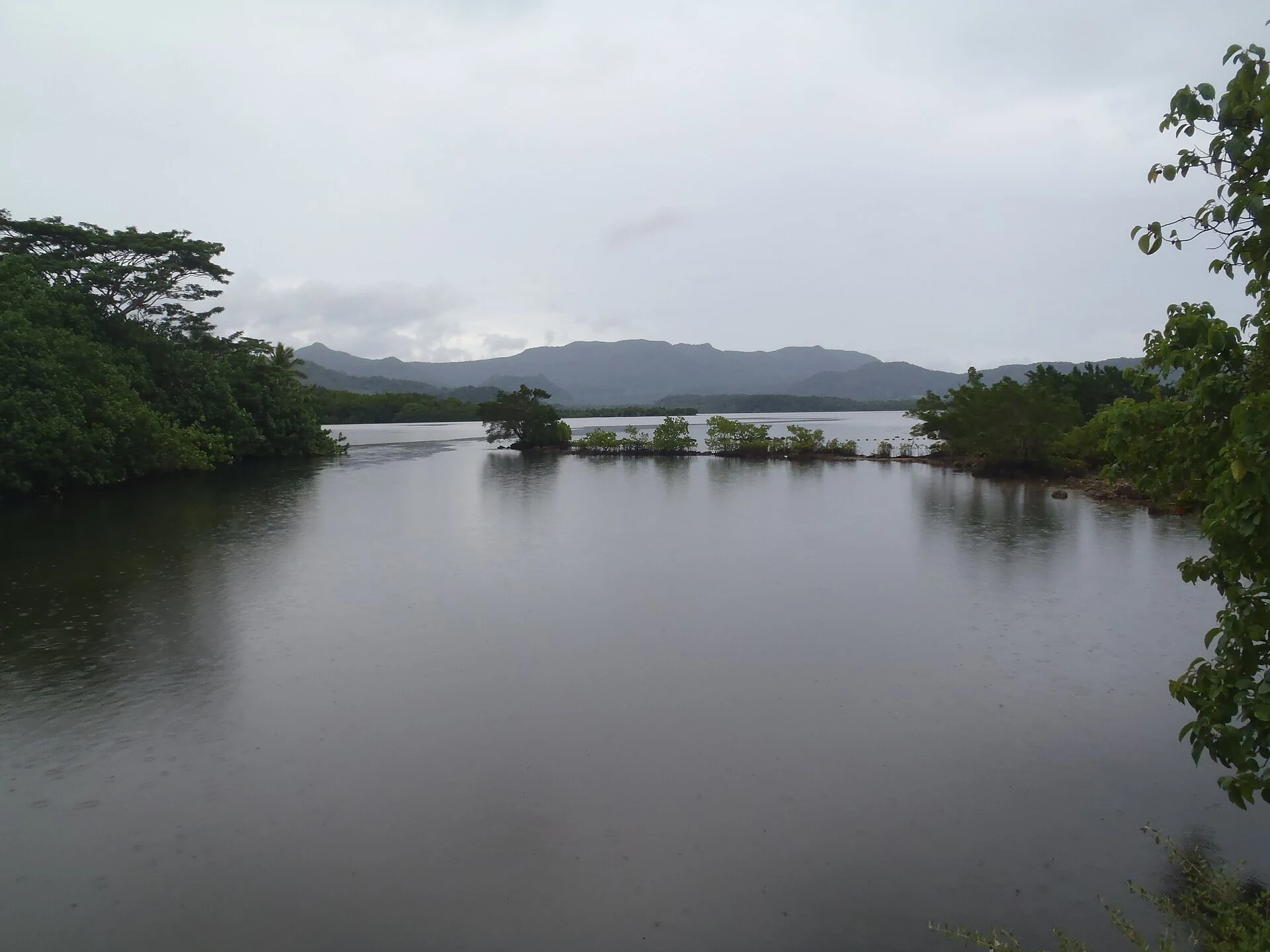
Madolenihmw is linked to Nan Madol’s traditional stewardship and continuing religious significance. Visitors should treat the site as a living cultural landscape and follow community guidance.
Explore the place →Maeshowe is a chambered tomb in Orkney’s Neolithic landscape; its interior is visited only through a guided tour with limited capacity.
Explore the place →
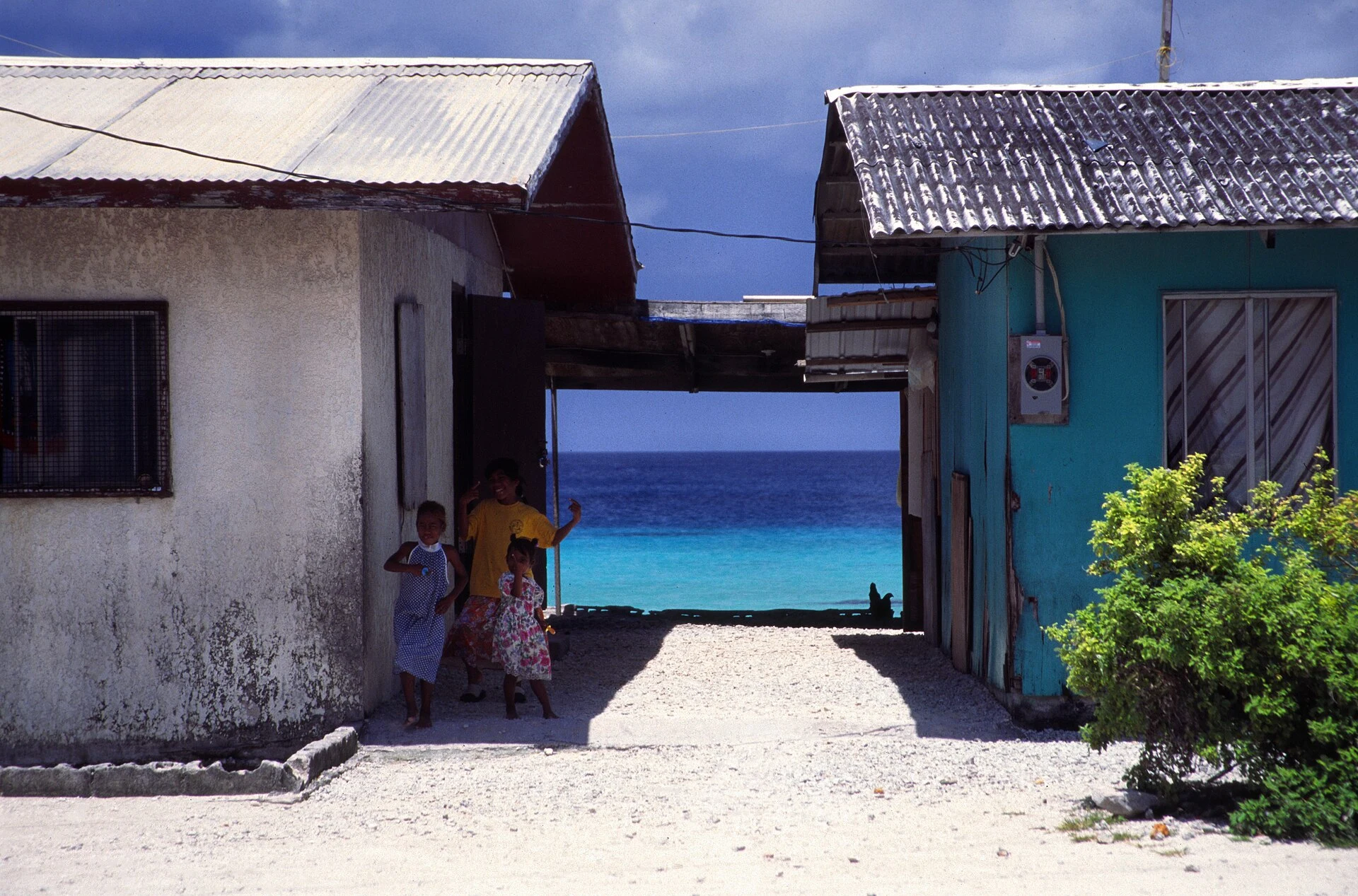
Majuro offers a more coherent perspective on the contemporary Marshall Islands than a quick visit to Bikini. It helps visitors understand local connections, services and daily rhythms while engaging with nuclear history without turning a place of memory into a rushed excursion.
Explore the place →
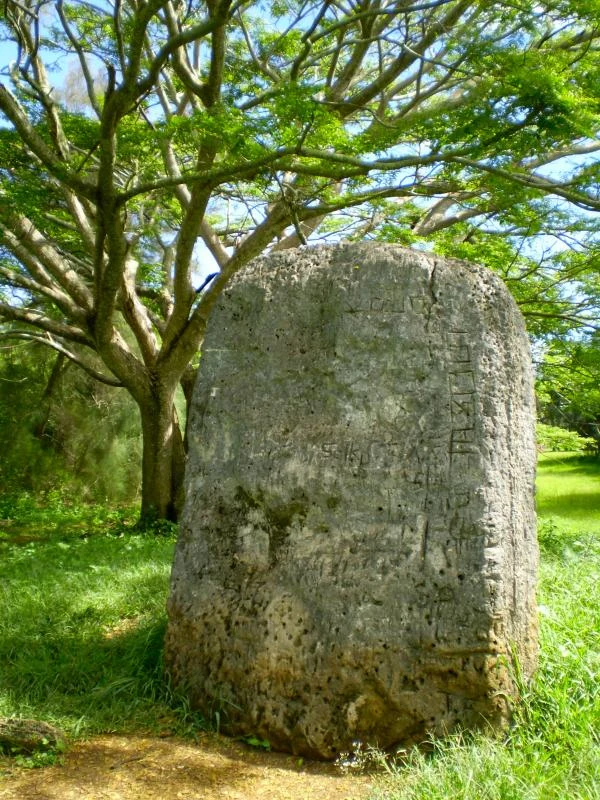
Maka Faʻakinanga is a stone slab near Ha’amonga ‘a Maui, within the historic Heketā area. Its setting helps interpret this former royal residence as part of Tongatapu’s wider political and funerary landscape.
Explore the place →
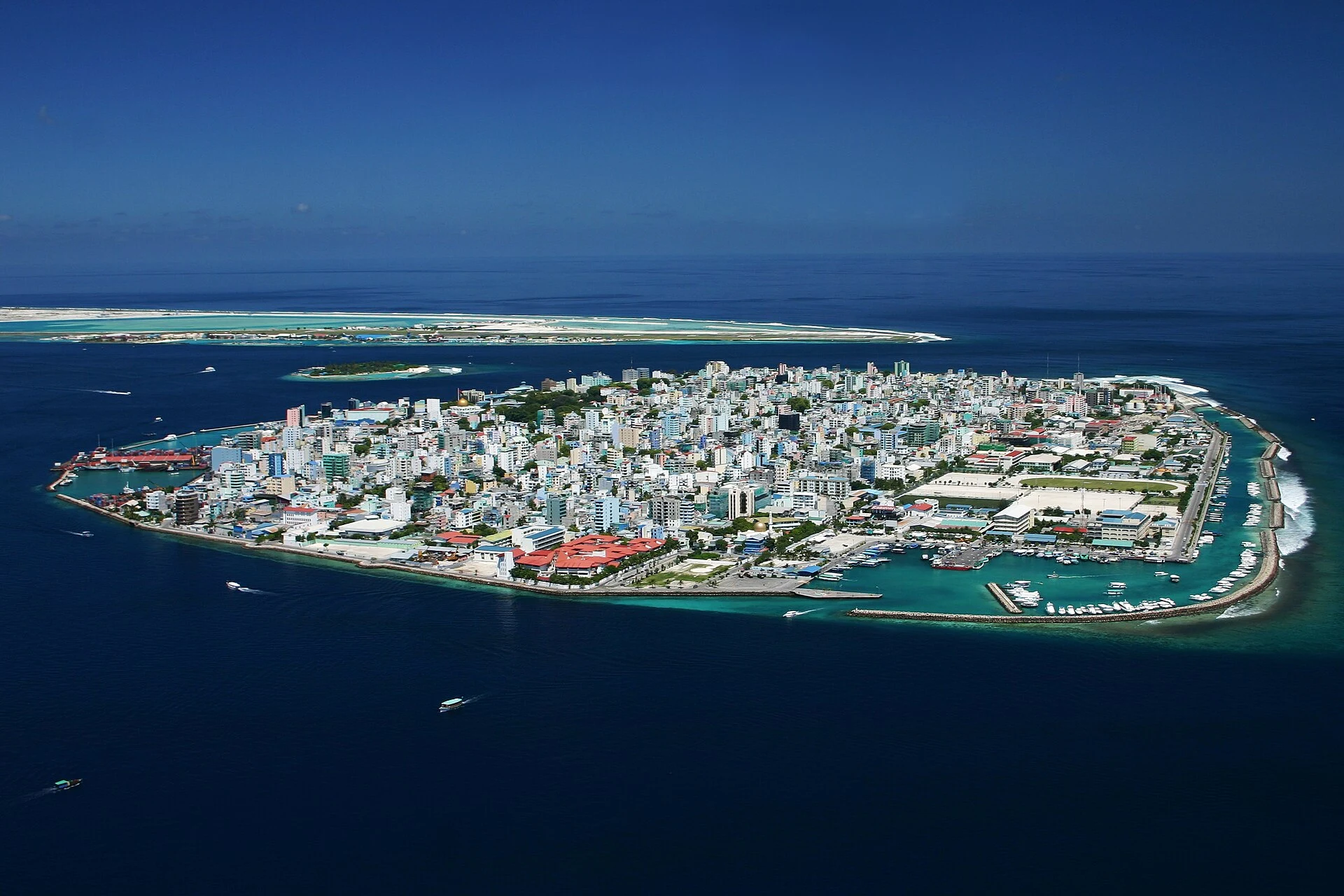
Malé is the capital of the Maldives and the main administrative reference for organizing travel research. The available information is not sufficient to describe specific city services, connections or conditions.
Explore the place →Male Hill is one of the three hills that structure visits to Tsodilo, in an open Kalahari landscape. Its routes combine walking, rock formations and access to rock-art panels across the wider site, whose interpretation calls for respect for its spiritual and cultural importance.
Explore the place →Mali Štrbac is one of the marked routes in Đerdap National Park, in the Serbian Danube area. The trail is subject to organised and controlled visits, with mandatory accompaniment and advance planning.
Explore the place →
Malolotja Nature Reserve, in northwestern Eswatini, combines highland grasslands, wetlands, mist forests and mountain valleys. Its trails range from short walks to multi-day treks, with uneven terrain and changing conditions.
Explore the place →
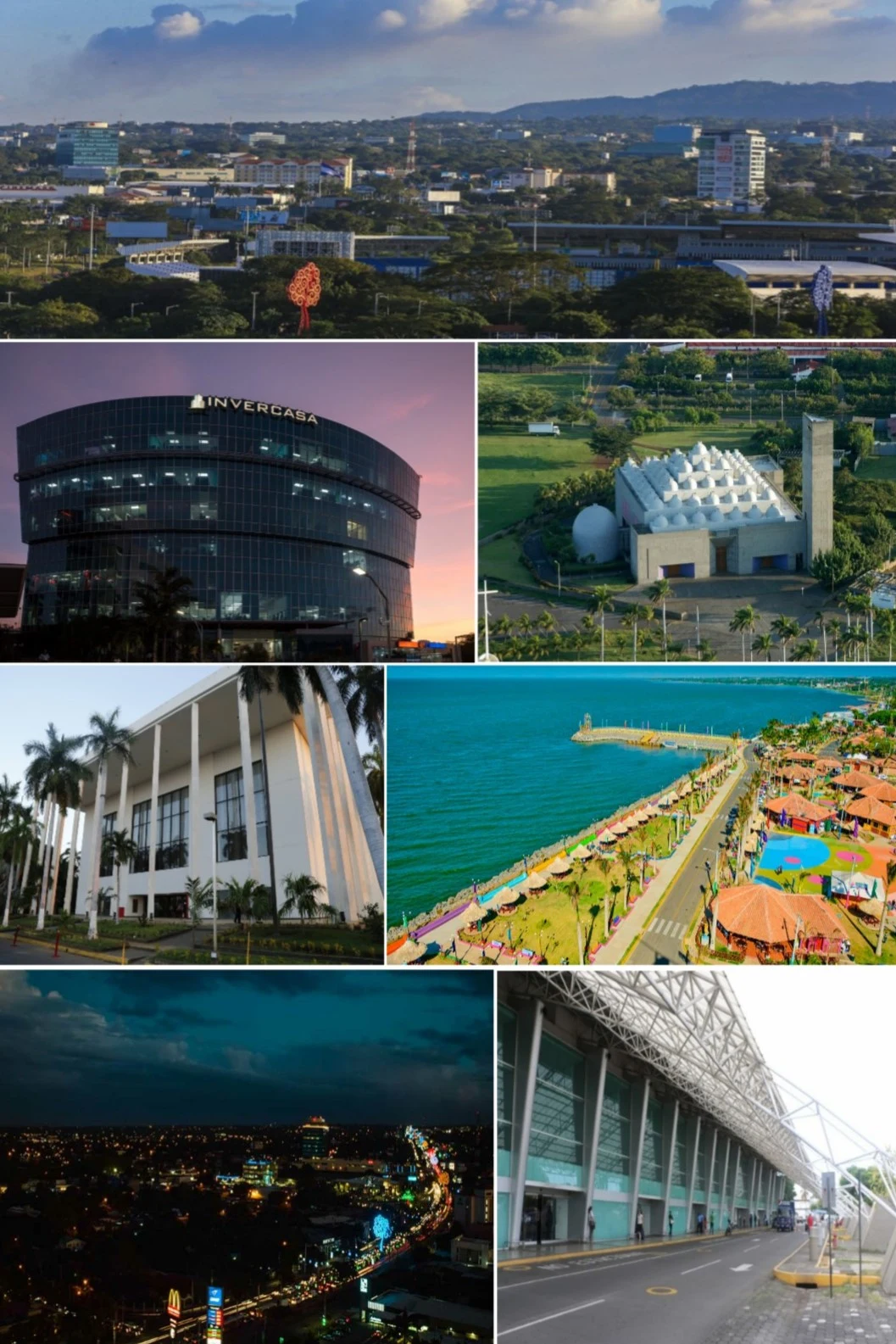
Managua is the capital of Nicaragua, a Central American country. The available information offers an initial geographic, linguistic and monetary orientation, but does not confirm routes, prices, payment methods, entry requirements or current city-specific travel conditions.
Explore the place →
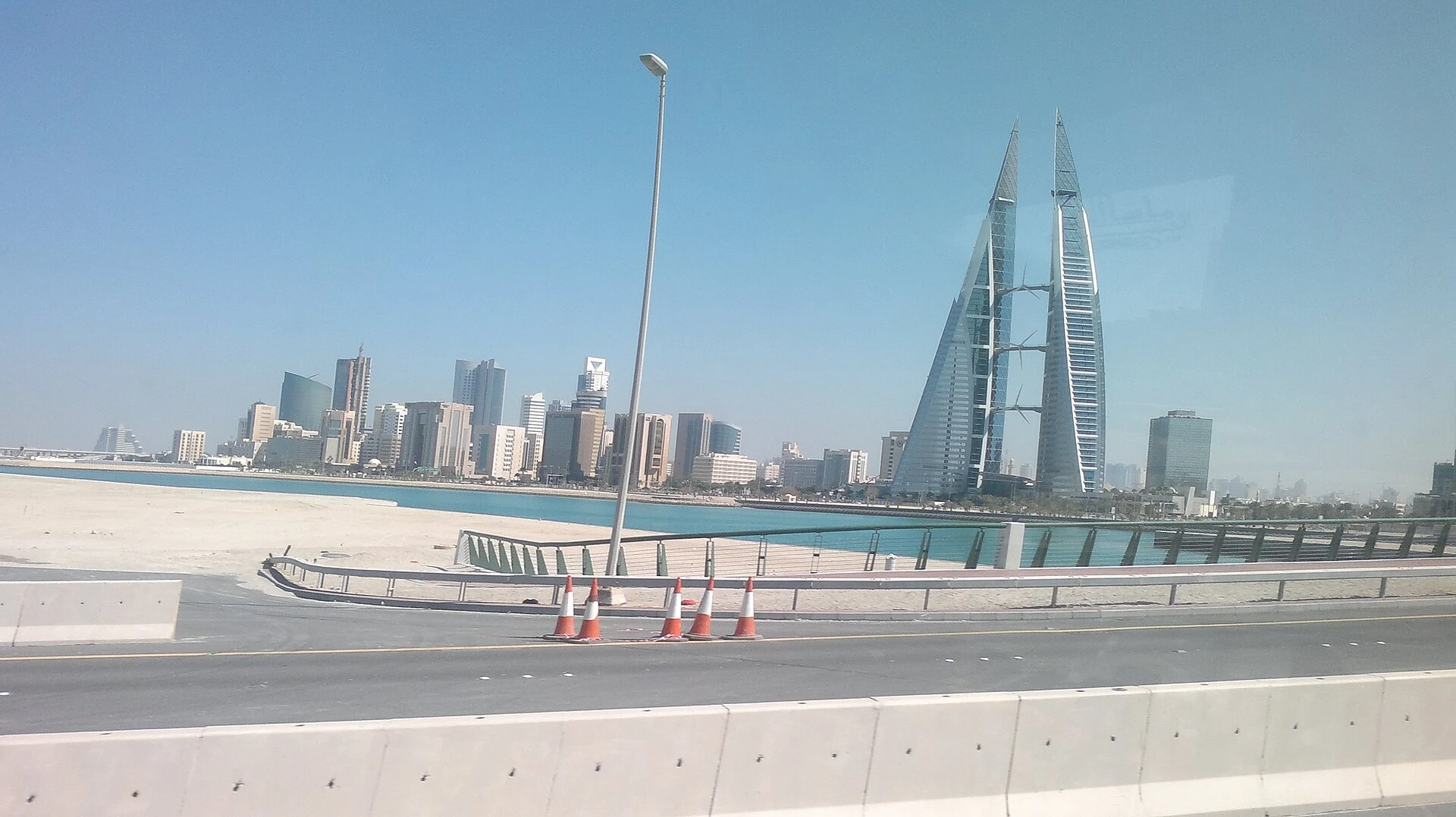
Manama provides access to Muharraq and the Pearling Path, an urban route of about 3.5 kilometres linking Bu Mahir, the souq and buildings connected with the pearling economy. The visit involves walking, and variable schedules and connections should be reconfirmed.
Explore the place →