Initial orientation
Haiti: essential references before delving into your trip
A concise territorial profile to place Haiti in the Caribbean and identify its languages, capital and currency before seeking more specific travel information.
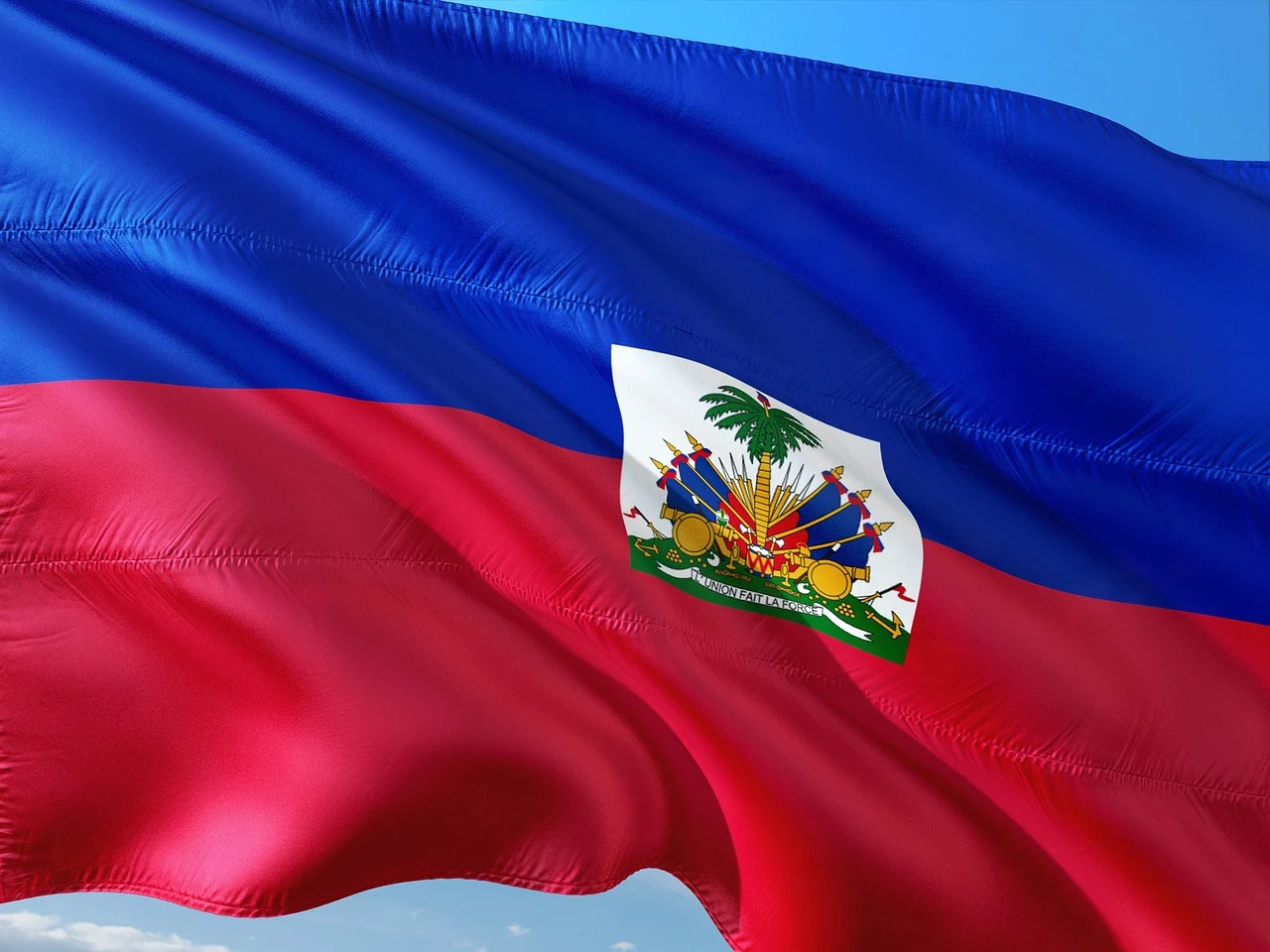
Haiti is a Caribbean island country located in the Americas. Before deciding on an itinerary or considering a trip, it is useful to start with a few stable facts: its capital is Port-au-Prince, and French and Haitian Creole are among its languages. This is a basic orientation, not an operational travel guide.
Placing Haiti in the Caribbean
Haiti belongs to the Caribbean and to the wider regional grouping of the Americas. Its status as an island country helps establish the territorial scale for further research: decisions about arrival, travel within the country and specific places require up-to-date, specialised sources, which this profile is not intended to replace.
The available territorial record places the country approximately at latitude 19 and longitude −72.4. This serves as a point of cartographic orientation, not as an indication of a route or a place to visit.
Port-au-Prince as a national reference
The capital of Haiti is Port-au-Prince. For a first overview of the country, it is useful to identify it as an administrative and geographical reference, without turning that fact alone into a recommendation for staying there or travelling there.
Anyone preparing a trip should check current sources for mobility conditions, available services and any advisories that may affect their dates. This information changes and cannot be inferred from basic territorial data.
Languages and currency for practical research
French and Haitian Creole are the languages recorded for Haiti. Keeping both names in mind makes it easier to recognise local information and find suitable resources without assuming that a single language is used in every context.
The stated currency is the Haitian gourde, identified by the code HTG and the symbol G. Before making payments, exchanging money or preparing a budget, it is necessary to verify accepted payment methods and current financial conditions through up-to-date sources.
What still needs to be verified before travelling
These facts do not establish routes, timetables, entry requirements, connectivity, accessibility or safety conditions. It is not advisable to fill these gaps with assumptions based on Haiti being Caribbean or an island country.
The responsible next step is to cross-check official, up-to-date information applicable to the specific travel dates. It is also useful to define the purpose and area of interest first: a national profile does not replace planning for a destination, city or particular experience.
A brief foundation, not an itinerary
Haiti can initially be situated through four references: the Caribbean, Port-au-Prince, French and Haitian Creole, and the Haitian gourde. These facts are useful for organising further research, but they leave open the decisions that actually determine whether a trip is feasible.
Maintaining this distinction between territorial identity and operational information helps prevent planning based on incomplete data and makes it easier to find relevant sources for each date and need.
References consulted during editorial review. Times, requirements and advisories may change: always confirm with the official source.
- HaitíWikidata · CC0 1.0 · Wikidata · Q790
- HaitiWikidata · CC0 1.0 · Wikidata · Q104592396
- HaitiWorld Countries — mledoze · ODbL 1.0 · World countries dataset by mledoze and contributors · ODbL 1.0
- HaitiWorld Bank Open Data · CC BY 4.0 · World Bank
- HaitiDBpedia · CC BY-SA 3.0 · DBpedia
- Estudio preliminarCrossref · Metadatos públicos; derechos específicos por campo cuando correspondan · Crossref
- La importancia de llamarse República Dominicana, o por qué nombrarse de otra forma que no sea HaitíCrossref · Metadatos públicos; derechos específicos por campo cuando correspondan · Crossref